Market Review: November 23–29, 2025
A Holiday Week of Mixed Signals, Rebound and Uncertainty
Amid the backdrop of a holiday-shortened trading week, U.S. markets displayed resilience but left investors grappling with mixed signals. The week ending November 28, 2025, saw equities bounce back, buoyed by growing expectations of a Federal Reserve rate cut in December. Yet, persistent concerns over tech valuations and economic data tempered optimism. This week’s activity offers a microcosm of broader market dynamics—where hope and caution coexist in a delicate balance.
Why does this matter? With the S&P 500 climbing 2.7% to close at 6,849 and the Nasdaq posting its best weekly performance since June (+4.0%), the narrative of recovery is enticing. However, beneath the surface lies volatility fueled by thin trading volumes, economic uncertainty, and shifting monetary policy expectations.
Key Takeaways:
- U.S. equities rebounded, with the S&P 500 rising 2.7%, the Nasdaq gaining 4%, and the Dow advancing 2.6%, driven by rate-cut optimism.
- Mixed economic data included weaker consumer confidence (88.7) and softer retail sales (+0.2%), but jobless claims showed labor market resilience at 216K.
- The U.S. dollar weakened, marking its worst week since July as rate-cut odds climbed to 85%, supporting dovish sentiment.
- Technology stocks led gains, with Nvidia (+6%) and Alphabet rebounding, though concerns over AI fatigue persisted.
- Commodities were mixed, with gold extending gains for a fourth month, while cryptocurrencies slumped, with Bitcoin falling below $81,000.
| Date | Country | Event | Actual | Forecast | Previous | Note/Impact |
|---|---|---|---|---|---|---|
| Nov 25 | US | CB Consumer Confidence (Nov) | 88.7 | 93.5 | 95.5 | Significant miss; hit near-record low, tempering economic optimism and boosting Fed rate-cut odds to ~85%. |
| Nov 26 | NZ | RBNZ Interest Rate Decision | 2.25% | 2.25% | 2.50% | Expected 25 bps cut; signals easing cycle amid cooling inflation, impacting NZD and global carry trades. |
| Nov 27 | US | Initial Jobless Claims | 216K | 226K | 222K | Beat expectations; indicates resilient labor market, but mixed with other data supporting dovish Fed bets. |
| Nov 27 | US | Chicago PMI (Nov) | 36.3 | 44.3 | 43.8 | Sharp miss; deep contraction signals manufacturing weakness, contributing to equity pullbacks mid-week. |
| Nov 27 | US | Core Durable Goods Orders (MoM) (Sep) | 0.6% | – | 0.5% | Slight beat on delayed data; modest positive for Q4 GDP outlook amid shutdown disruptions. |
| Nov 29 | CA | GDP Annualized (QoQ) (Q3) | 2.6% | – | -1.8% | Strong rebound; exceeds prior contraction, bolstering CAD and highlighting North American resilience. |
| Nov 28 | JP | Tokyo Core CPI (YoY) (Nov) | 2.8% | 2.7% | 2.8% | Mild beat; persistent inflation pressures BoJ policy, affecting JPY carry unwind. |
| Nov 25 | US | Pending Home Sales (MoM) (Oct) | 1.9% | 0.5% | 0.1% | Solid beat; housing recovery amid lower rates, but tempered by affordability concerns. |
The Fed’s Shadow: Rate-Cut Hopes Drive Sentiment
One of the defining forces this week was the growing anticipation of a Federal Reserve rate cut. With the probability of a December rate reduction climbing to 85%, markets rallied on renewed optimism. The U.S. dollar weakened significantly, marking its worst week since July, as dovish bets gained traction.
Yet, the optimism wasn’t without its caveats. Mixed economic data painted an ambiguous picture of the U.S. economy. Consumer confidence fell short of expectations, landing at 88.7 for November—well below the forecasted 93.5—highlighting household concerns over inflation and employment stability. Meanwhile, retail sales grew just 0.2% month-over-month in September, missing estimates and signaling softer consumer spending.

On the brighter side, initial jobless claims came in at 216K, beating forecasts and underscoring labor market resilience. PPI inflation met expectations at 0.3% month-over-month, lending further support to dovish monetary policy bets. The Beige Book offered modest reassurance, noting easing price pressures and modest economic growth.
Equities: Tech Leads the Charge Amid a Fragile Recovery
U.S. equities rebounded sharply during the abbreviated trading week, recovering much of November’s earlier losses. The S&P 500 surged 2.7%, while the Dow gained 2.6%, closing at 47,716. The Nasdaq outperformed with a 4.0% rise to 23,366—though it still ended November with an overall loss.
Technology stocks spearheaded the rally, with notable rebounds in Nvidia (+6%) and Alphabet leading the charge despite lingering concerns over AI fatigue and tech valuations. Software and semiconductor sectors showed signs of accumulation, reflecting cautious investor confidence in high-growth industries. However, not all tech players benefitted equally—Meta’s stock fell 13% for the month, highlighting uneven performance across the sector.
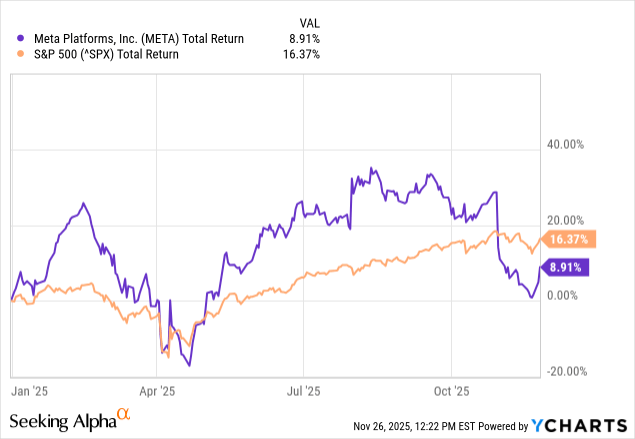
Small-cap stocks lagged behind their larger counterparts, signaling investor caution amid heightened volatility. Energy and industrial sectors held steady, providing stability against broader market fluctuations.
Global Markets and Commodities: A Mixed Bag

Beyond U.S. equities, global markets offered a mixed picture. European equities remained subdued as investors digested slower-than-expected Eurozone M3 money supply growth (+2.8% YoY). Meanwhile, Australia’s CPI held steady, and New Zealand’s Reserve Bank cut rates to 2.25%, reflecting diverging monetary policy approaches across regions.
Commodities also delivered mixed results. Gold extended its winning streak with gains en route to a fourth consecutive monthly advance—a safe haven amid uncertainty. Cryptocurrencies continued their November slump, with Bitcoin dipping below $81,000 as risk-off sentiment prevailed.
Economic Calendar Insights: Signals from Key Data Points
The week’s economic calendar was impacted by delayed data releases following a recent U.S. government shutdown and disruptions from Thanksgiving closures on November 27. Despite this lighter schedule, several key indicators provided valuable insights:
- Consumer Confidence (Nov): Missed forecasts at 88.7 (vs. 93.5 expected), highlighting inflation and job-related concerns.
- Retail Sales (MoM): Grew a softer-than-expected 0.2% in September.
- Jobless Claims: Beat expectations at 216K (vs. 226K forecast), signaling labor market strength.
- PPI Inflation (MoM): Met expectations at 0.3%, reinforcing dovish Fed sentiment.
- Durable Goods Orders (MoM): Slowed to +0.5% in September, down from +3.0% previously.
Globally, monetary policy shifts continued to make waves—New Zealand’s rate cut underscored concerns over slowing growth, while Europe’s steady money supply growth reflected cautious optimism.
Conclusion: Navigating a Market at Crossroads
The holiday-shortened trading week offered investors a glimpse into the delicate interplay between optimism and caution driving markets today. While equities rallied on hopes of a December rate cut, mixed economic data and persistent tech valuation concerns kept volatility elevated.
As we look ahead to December, key questions remain: Will the Federal Reserve deliver on rate-cut expectations? Can the labor market sustain its resilience amid broader economic headwinds? And how will investors navigate an increasingly complex market environment?
For now, one thing is clear—the road ahead is paved with uncertainty, but opportunities await those who can read between the lines.
What are your thoughts? Share your insights on how you’re preparing for potential shifts in monetary policy or navigating volatile markets below!
People Also Ask:
Why did U.S. markets rally this week?
Markets rallied due to growing expectations of a December Federal Reserve rate cut, despite mixed economic data.
Which sectors performed best this week?
Technology led the rebound, with notable gains in Nvidia (+6%) and Alphabet, while energy and industrials also held firm.
How did the U.S. dollar perform?
The U.S. dollar weakened significantly, marking its worst weekly performance since July, as rate-cut odds climbed to 85%.
What happened to cryptocurrencies?
Cryptocurrencies extended their slump, with Bitcoin dipping below $81,000 amid broader risk-off sentiment.
Did gold prices rise or fall?
Gold prices rose, posting gains for the fourth consecutive month as investors sought safe-haven assets amidst market volatility.