Dollar Weakens Amid Fed Cut Speculation as Risk Assets Surge
The global financial markets experienced a significant shift in sentiment over the 24 hours leading up to December 4, 2025. Investors embraced riskier assets, pushing the U.S. dollar to multi-day lows amid mounting expectations for a Federal Reserve rate cut. At the same time, commodities and cryptocurrencies staged a robust recovery, reflecting a complex interplay of economic data, central bank policies, and geopolitical uncertainties.
Key Takeaways:
- The U.S. dollar index fell 0.4% to 102.15 as weaker labor data fueled expectations of a Federal Reserve rate cut next week.
- Bitcoin surged 6.51%, reclaiming key levels, while Ethereum and Solana followed with strong rebounds amid institutional inflows.
- Gold and silver gained 0.8% and 1.2%, respectively, driven by safe-haven demand amid uncertainties surrounding Ukraine peace talks.
- Commodity-linked currencies like the Australian dollar (+0.52%) and New Zealand dollar (+0.45%) outperformed due to stronger Chinese trade data and commodity rebounds.
- Oil prices dropped 0.5% as ample supply signals outweighed geopolitical risks, with Brent crude settling at $64.30.
| Asset | Price (Dec 4, 2025) | 24-Hour Change | Key Driver |
|---|---|---|---|
| USD Index | 102.15 | -0.4% | Weaker U.S. payrolls boost Fed cut odds |
| EUR/USD | 1.0865 (implied from 0.9201 USD/EUR) | +0.34% | Dollar retreat on growth concerns |
| GBP/USD | 1.3300 | +0.25% | BoE caution on AI valuations supports sterling |
| USD/JPY | 142.50 | -0.5% | Hawkish BoJ tone lifts yen |
| USD/CHF | 0.8950 | -0.3% | Safe-haven flows favor franc |
| USD/CAD | 1.3850 | -0.2% | Oil weakness pressures loonie |
| AUD/USD | 0.6598 | +0.52% | Strong Chinese data aids Aussie |
| NZD/USD | 0.6100 | +0.45% | Commodity rebound lifts kiwi |
| Gold (XAU/USD) | $4,260 | +0.8% | Fed bets and Ukraine talks underpin haven flows |
| Silver (XAG/USD) | $32.50 | +1.2% | Follows gold on industrial demand outlook |
| Brent Crude Oil | $64.30 | -0.5% | Inventory builds offset geopolitical risks |
| Bitcoin (BTC) | $92,898 | +6.51% | Institutional inflows and Fed liquidity boost |
| Ethereum (ETH) | $3,450 | +4.2% | Broader market rally amid ETF progress |
| Solana (SOL) | $185 | +5.8% | Top altcoin gains on network upgrades |
| XRP | $0.65 | +3.9% | Regulatory tailwinds support recovery |
| BNB | $620 | +4.5% | Exchange token benefits from volume surge |
The Dollar’s Retreat: A Sign of Economic Softening?
For years, the U.S. dollar has been a cornerstone of global financial stability, but recent developments have cast a shadow over its dominance. The U.S. Dollar Index (DXY) fell 0.4% to 102.15, marking a continued decline as markets reacted to weaker-than-expected U.S. labor data. The ADP private payrolls report revealed a shocking loss of 32,000 jobs in November, a far cry from the anticipated 5,000 gain. This stark reversal from October’s modest job gains sent ripples through the markets.
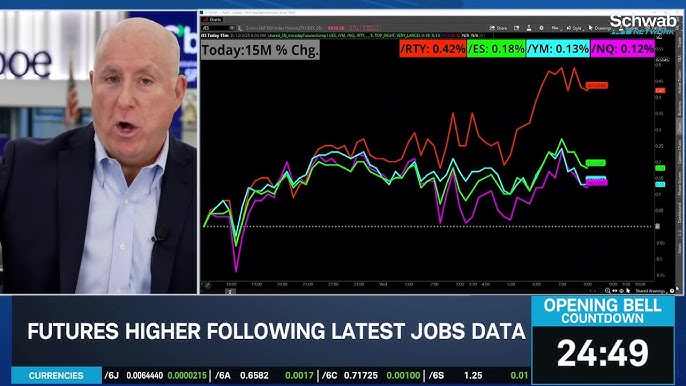
The disappointing labor data fueled speculation that the Federal Reserve might cut interest rates by 25 basis points during its upcoming December 9-10 meeting. Futures markets now price in a 95% probability of this move, signaling broad market consensus. Adding to the pressure on the dollar were stagnant import prices and a weaker-than-expected ISM Services PMI reading, which fell to 52.6 from an expected 55.0, highlighting broader economic cooling.
Currencies: Diverging Fortunes Amid Global Shifts
The dollar’s struggles were a boon for other major currencies. The euro (EUR/USD) climbed 0.34% to 1.0865, reaching seven-week highs as resilient Eurozone services PMIs buoyed investor confidence. However, upcoming European retail sales data could test the euro’s momentum.
The British pound (GBP/USD) also gained ground, rising 0.25% to 1.3300. The Bank of England’s cautious tone on inflated artificial intelligence sector valuations tempered expectations for aggressive monetary easing, lending support to sterling.

Meanwhile, the Japanese yen strengthened significantly, with USD/JPY dropping 0.5% to 142.50. Hawkish comments from Bank of Japan Governor Kazuo Ueda hinted at a potential interest rate hike in December, diverging sharply from the dovish stances of other central banks.
Commodity-linked currencies outperformed as well. The Australian dollar (AUD/USD) rose 0.52% to 0.6598, buoyed by robust trade data and strong household spending figures out of China—Australia’s largest trading partner. Similarly, the New Zealand dollar (NZD/USD) advanced 0.45% to 0.6100 as rebounding commodity prices lifted sentiment.
Commodities: Gold Shines Amid Geopolitical Uncertainty
In the commodities market, gold (XAU/USD) surged 0.8% to $4,260 per ounce, benefiting from its safe-haven status amid ongoing uncertainties surrounding peace talks in Ukraine. Silver (XAG/USD) followed suit, climbing 1.2% to $32.50, supported by both industrial demand prospects and broader market optimism.
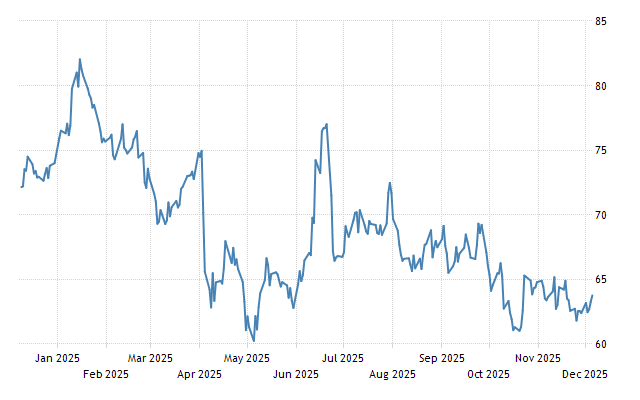
Oil prices, however, faced headwinds. Brent crude slipped 0.5% to $64.30 per barrel as rising inventory levels overshadowed geopolitical risks in energy markets.
Cryptocurrencies: Bitcoin Leads the Charge
Cryptocurrencies stole the spotlight with a remarkable rally led by Bitcoin (BTC), which surged 6.51% to $92,898—reclaiming key psychological levels after weeks of volatility. Institutional inflows and heightened expectations for Federal Reserve liquidity measures fueled this resurgence.
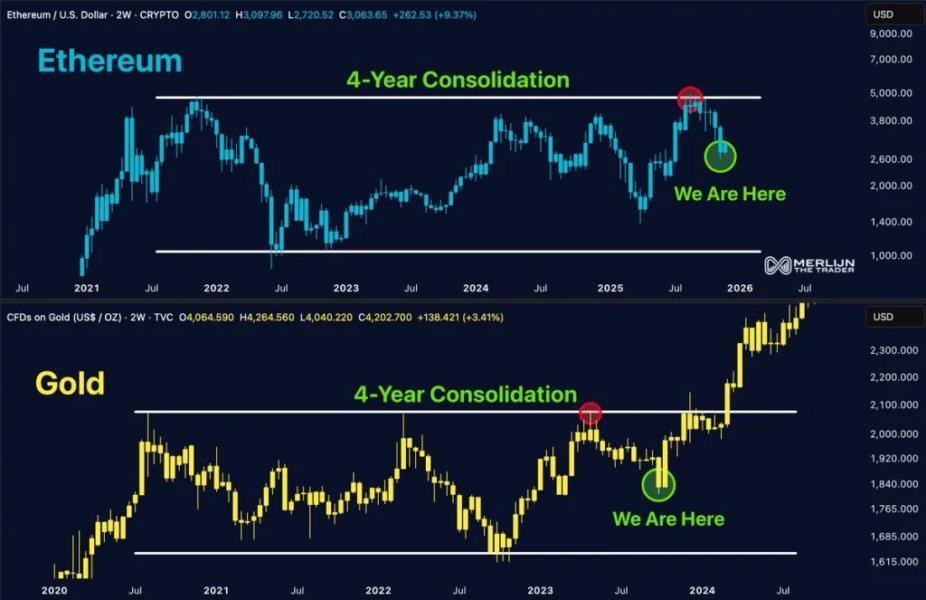
Ethereum (ETH) also posted strong gains, rising 4.2% to $3,450 amid optimism surrounding progress on cryptocurrency exchange-traded funds (ETFs). Solana (SOL) jumped 5.8% to $185 following network upgrades that bolstered investor confidence in its long-term viability.
Other notable movers included XRP (+3.9% to $0.65), benefiting from regulatory clarity, and Binance Coin (BNB), which climbed 4.5% to $620 as trading volumes spiked across major exchanges.
What Lies Ahead?
As markets brace for the Federal Reserve’s December meeting, all eyes are on upcoming economic indicators such as U.S. jobless claims and European retail sales data. These releases could either reinforce or challenge the prevailing narrative of economic slowdown and monetary easing.
The dollar’s recent decline underscores a broader shift in global financial dynamics, where central bank policies and geopolitical uncertainties play an increasingly pivotal role in shaping market sentiment. While risk assets thrive in the current environment, the question remains: How sustainable is this rally in the face of lingering macroeconomic challenges?
For investors navigating these turbulent waters, staying informed and agile is more crucial than ever. As we approach critical policy decisions and economic milestones, one thing is clear: The interplay between monetary policy and market behavior will continue to define the financial landscape in the months ahead.
What do you think? Are we witnessing the early stages of a prolonged shift in global financial trends? Share your thoughts below!
People Also Ask:
What caused the U.S. dollar to weaken?
The U.S. dollar weakened due to soft labor data and rising expectations of a Federal Reserve rate cut at the upcoming meeting.
Why did Bitcoin and cryptocurrencies rally?
Bitcoin surged due to institutional inflows and increased market confidence in response to potential Fed liquidity measures.
What drove gold and silver prices higher?
Gold and silver rose on safe-haven demand amid ongoing geopolitical tensions and uncertainties around Ukraine peace talks.
Why are oil prices declining despite geopolitical risks?
Oil prices fell due to signals of ample supply, which offset concerns over geopolitical tensions.
Which currencies outperformed in the latest trading session?
Commodity-linked currencies like the Australian dollar and New Zealand dollar outperformed, supported by strong trade data and a commodity rebound.