The Davos Discord: Diplomacy in the Age of Standing Ovations
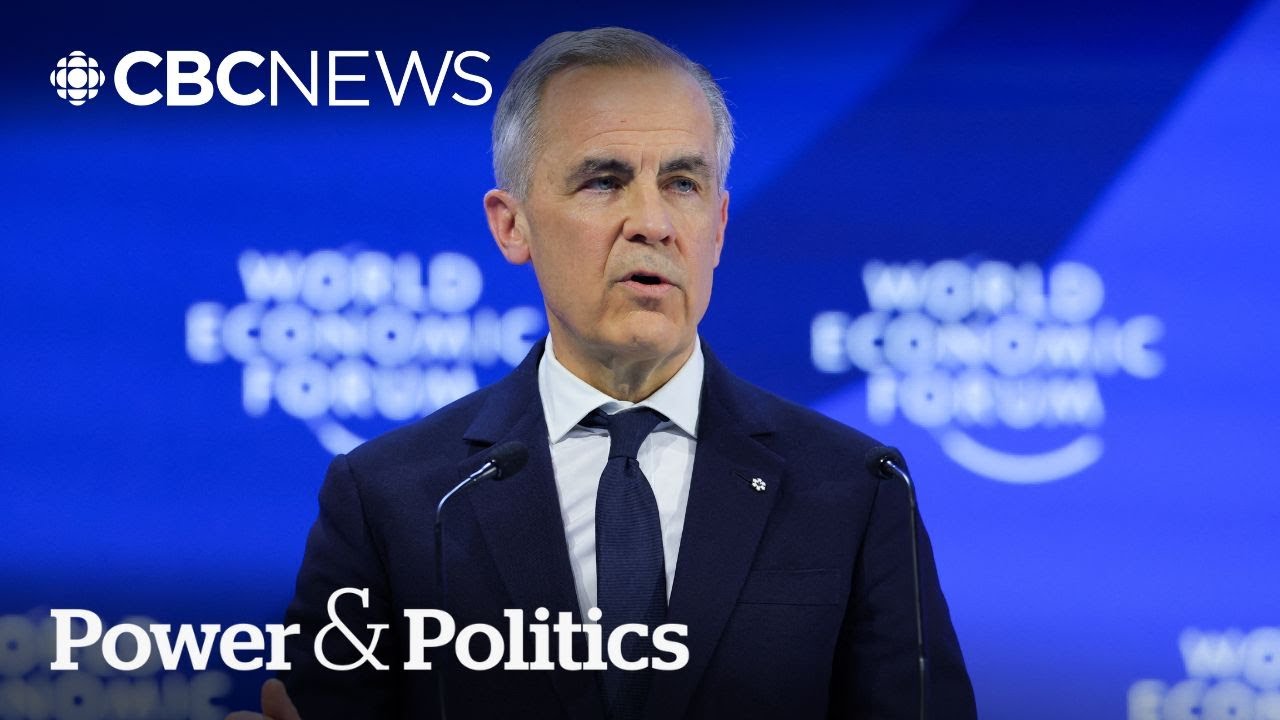
Is a standing ovation in Switzerland worth a trade war in North America? Recent events suggest that in the volatile arena of Canada-U.S. relations, optics can be just as consequential as policy. Following Prime Minister Mark Carney’s speech at the World Economic Forum in Davos, Ottawa and Washington have released jarringly different accounts of a subsequent high-stakes phone call, revealing a deepening fracture in the West’s largest trading partnership.
Key Takeaways:
- Prime Minister Mark Carney’s standing ovation at Davos highlighted Canada’s leadership but strained U.S.-Canada relations.
- Conflicting accounts of a high-stakes phone call point to growing tensions over trade policy and diplomacy.
- The upcoming CUSMA review is a critical moment for Canada to navigate rising tariff threats and market uncertainty.
- Experts suggest Canada should cool public rhetoric, engage local U.S. stakeholders, and emphasize shared security interests.
- The challenge lies in balancing trade diversification while maintaining strong ties with the U.S., Canada’s largest trading partner.
A Tale of Two Phone Calls
The discrepancy between the two nations’ accounts is stark. According to the U.S. Treasury Secretary, Carney used the call to “aggressively walk back” his remarks regarding a fractured world order. Conversely, the Prime Minister’s version of events paints a picture of defiance; Carney claims he “doubled down” on his message, clarifying that Canada was simply the first to adapt to the shifting tide of U.S. trade policy.
David MacNaughton, former Canadian Ambassador to the U.S., suggests the truth may lie in the middle. While both leaders likely accurately reflected their own perceptions, MacNaughton posits that the President’s irritation stems less from policy and more from the public reception of the speech.
“When [Carney] was finished he got a standing ovation… when the president was there and he finished his speech it was not exactly what I would describe as a standing ovation,” MacNaughton noted. “That standing ovation probably drove [Trump] crazy.”
The CUSMA Review: Strategy or Chaos?
This diplomatic friction arrives at a critical juncture: the upcoming review of the Canada-United States-Mexico Agreement (CUSMA). While some view Trump’s threats—including 100% tariffs on Canada if a trade deal with China is reached—as a calculated negotiating tactic, others see them as reactive.
- The “Negotiating Tactic” View: Trump has long viewed tariffs as a primary tool to gain leverage in trade discussions.
- The “Empty Threat” Counterargument: Critics point to past threats, such as the “Reagan ad tariffs,” that never materialized, suggesting these may be “empty threats” designed to fuel uncertainty rather than enact policy.
Regardless of the intent, the result is the same: heightened market uncertainty that threatens to stall cross-border investment.
Actionable Insights for Northern Diplomacy
To navigate this “bump” in the relationship, MacNaughton and other experts suggest a shift in Canadian strategy:
- Cool the Public Rhetoric: Avoid “negotiating in public” via social media or press releases, as public challenges often provoke the President to dig in further.
- Leverage Sub-National Allies: Canada must engage directly with American businesses, governors, and politicians whose local economies depend on Canadian stability.
- Highlight Shared Security: Emphasize Canada’s increased defense spending in the Arctic and North America to allow the U.S. administration to declare a “victory” in burden-sharing.
Conclusion: The Path Forward
The standing ovation in Davos may have signaled Canada’s leadership to the world, but it also painted a target on the bilateral relationship. The central challenge for the Prime Minister’s team is now a balancing act: diversifying trade with the rest of the world while maintaining the “constructive relationship” that sees 80% of Canadian exports go to the United States.
People Also Ask:
1. Why did Mark Carney’s speech at Davos cause U.S.-Canada tensions?
Carney’s speech, which received a standing ovation, highlighted Canada’s leadership in adapting to global trade shifts, contrasting with U.S. policies and reportedly irritating President Trump.
2. What is the significance of the CUSMA review?
The CUSMA review is a pivotal moment for North American trade relations, as it determines the future framework for economic cooperation between Canada, the U.S., and Mexico.
3. How can Canada manage its trade relationship with the U.S.?
Experts suggest avoiding public confrontations, strengthening ties with U.S. sub-national allies, and emphasizing shared security commitments to maintain positive relations.
4. What are the potential consequences of U.S.-Canada trade tensions?
Heightened tensions could lead to increased tariffs, stalled cross-border investments, and disruptions in the North American supply chain.
5. How does Canada plan to diversify its trade partnerships?
Canada aims to reduce reliance on the U.S. by expanding trade agreements with other countries and regions, while maintaining strong ties with its largest trading partner.